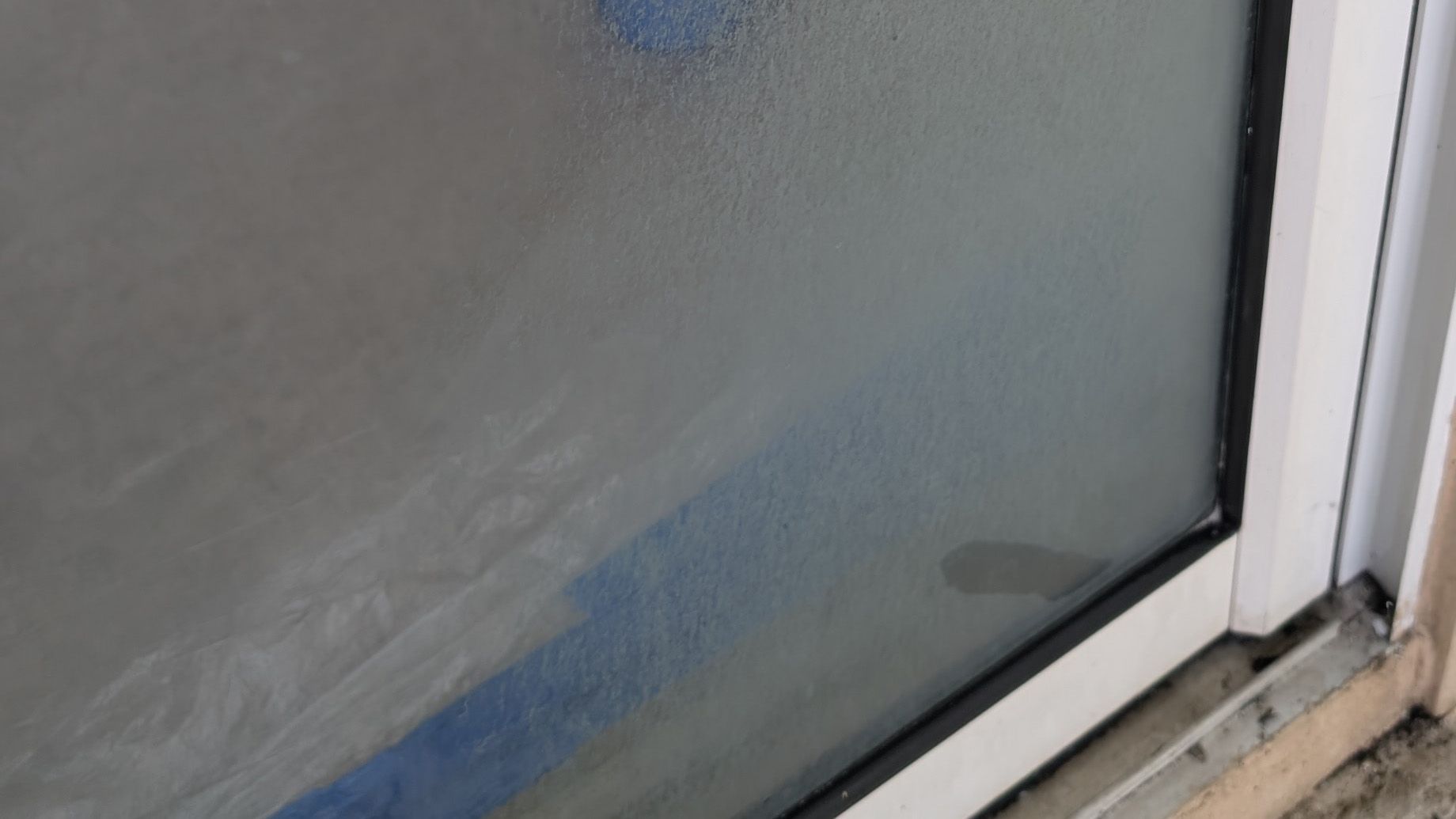
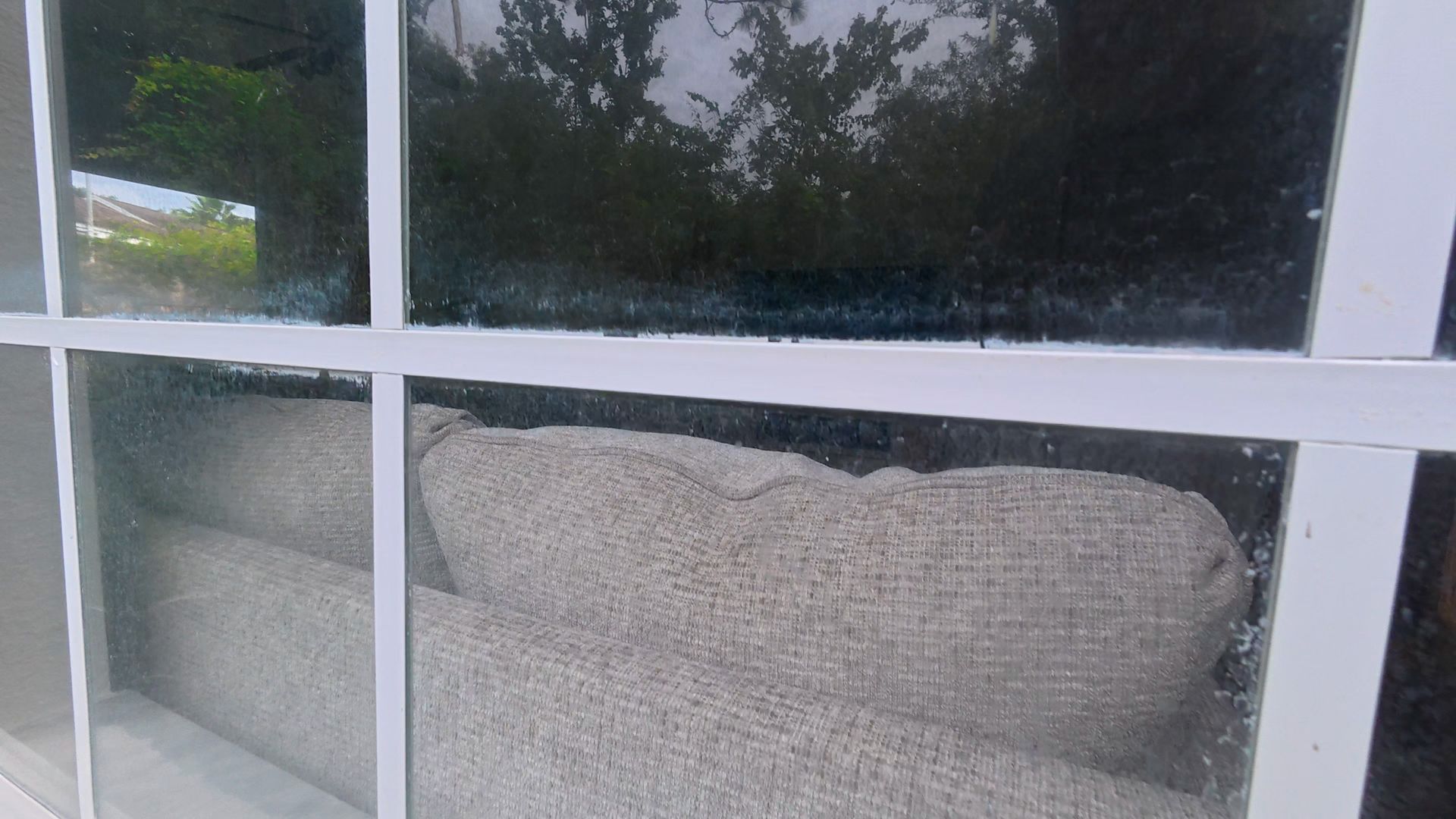
Hard water spotting on windows isn't just cosmetic — left alone, it etches permanently into the glass. Here's why Tampa Bay's water causes it, why DIY only goes so far, and why professional window cleaning is worth it.
Florida's climate is tough on glass. Learn how often homeowners and businesses should schedule window cleaning — and why hard water and pollen change the timeline.
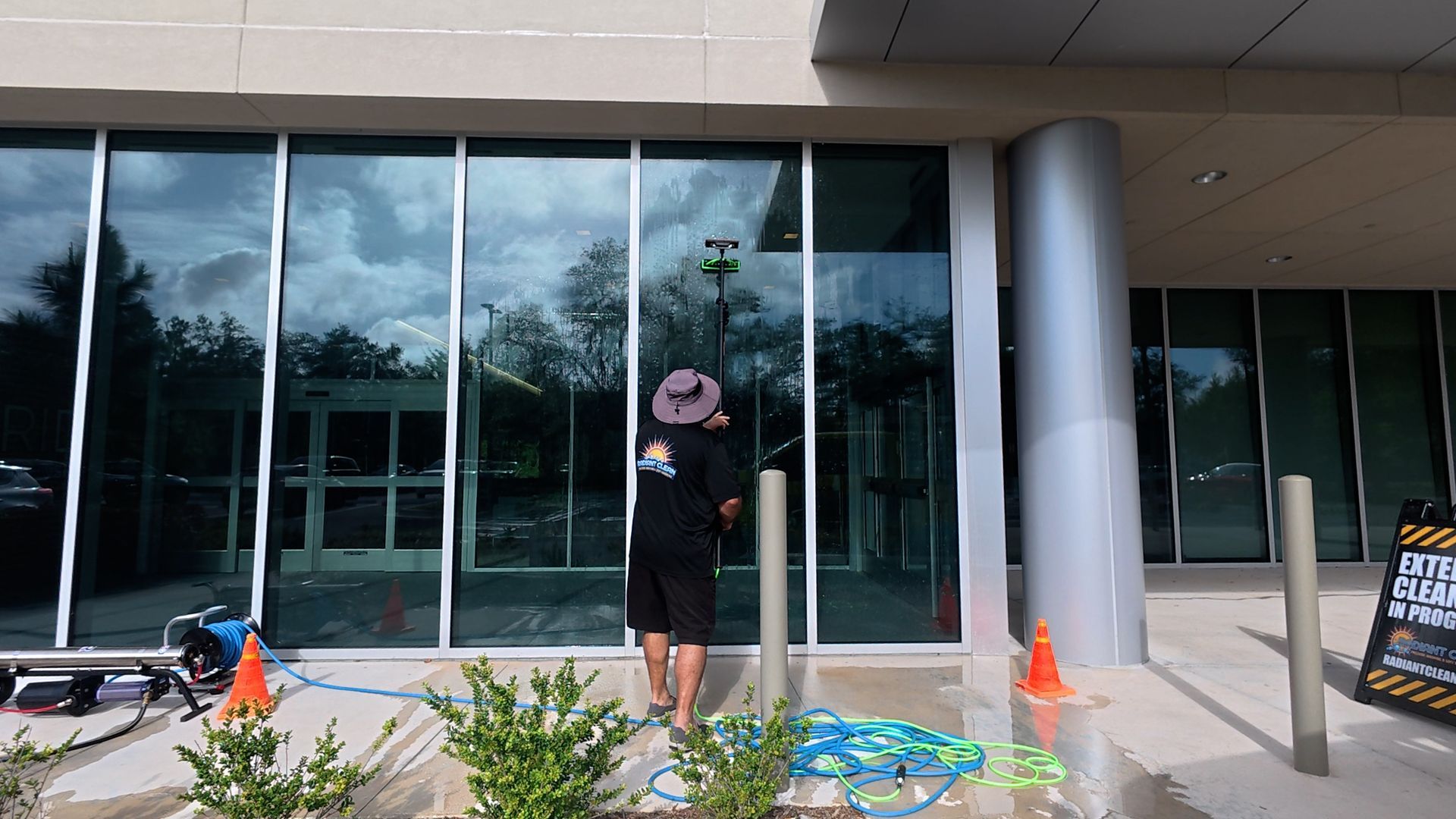
Your building's exterior is doing sales work 24 hours a day. Before a customer walks through your door, before a tenant signs a lease, before a patient decides whether your clinic feels trustworthy — your windows have already made an impression. At Radiant Clean, we provide professional commercial window cleaning for Tampa businesses, retail centers, office buildings, and property management companies that understand clean exteriors aren't cosmetic — they're part of the business.
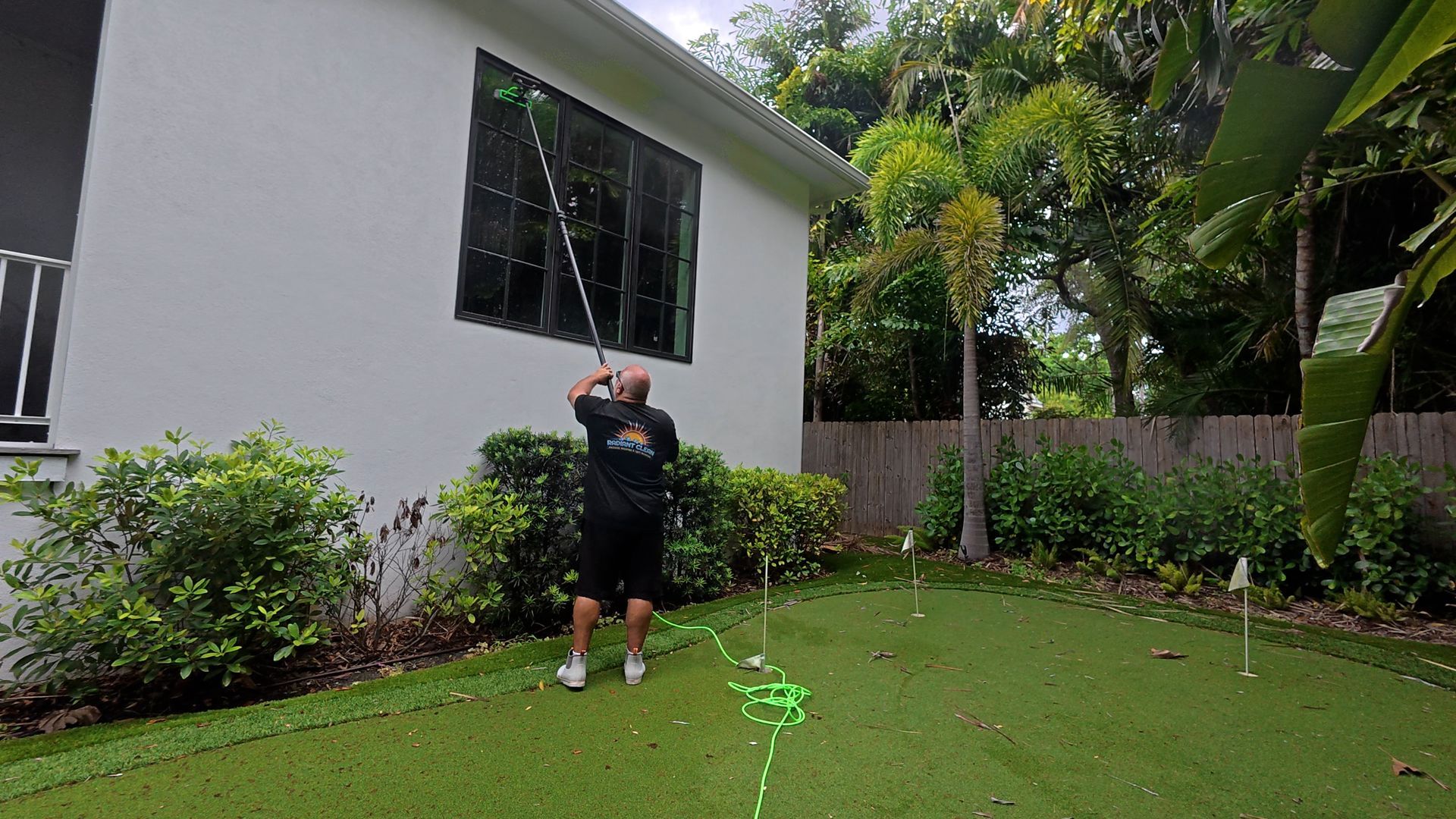
Your windows take a beating in Tampa. Between the sticky humidity, pollen seasons that coat everything in yellow dust, hard water sprinkler overspray, and the occasional tropical storm leaving behind a film of grime — clean windows feel like a losing battle for most homeowners. At Radiant Clean, we make it easy to keep your glass looking flawless year-round with professional residential window cleaning built for the specific conditions Tampa homes face.
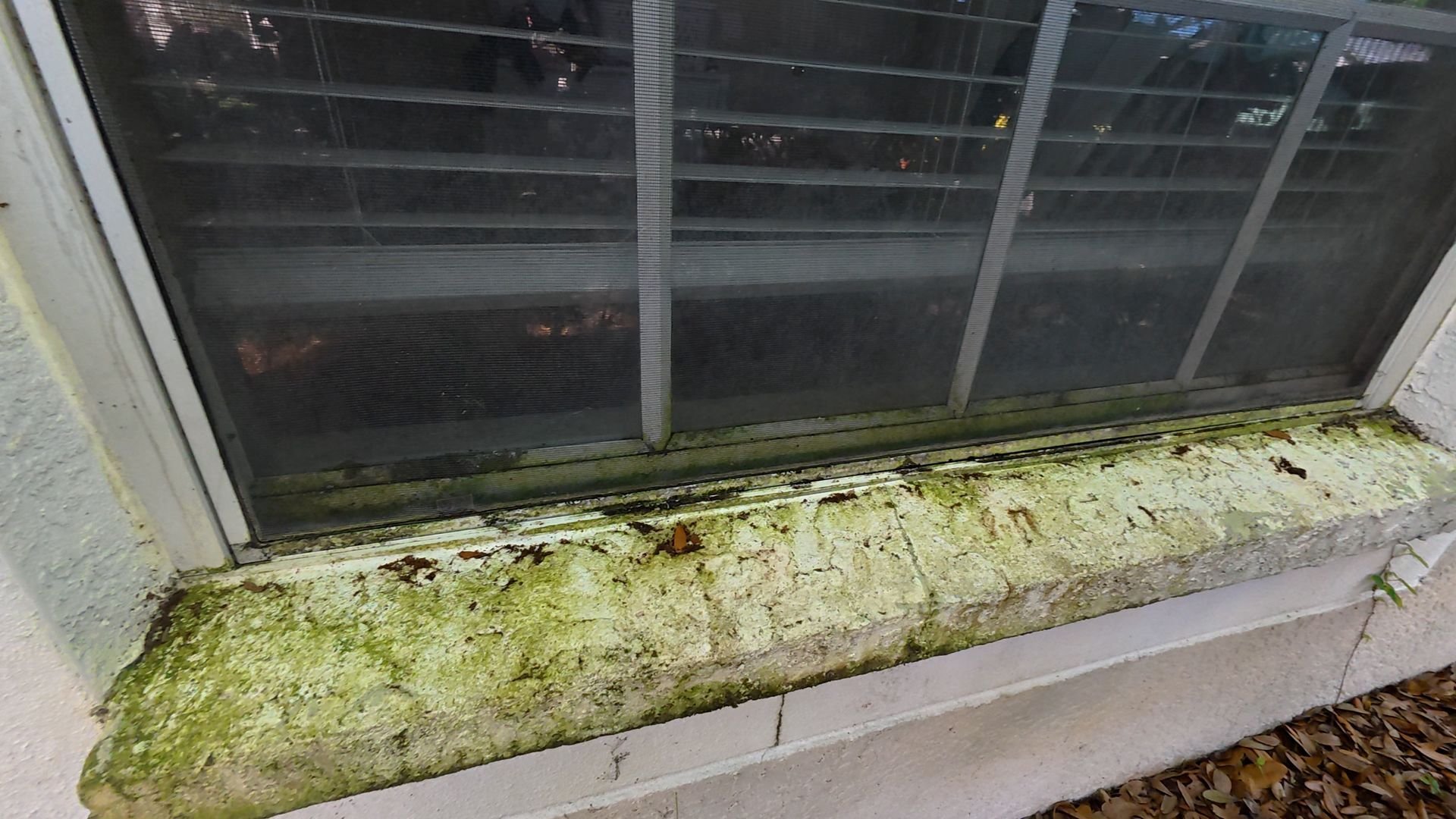
Keeping your home's exterior is about more than just looks, it will save you money and hassle in the long run.
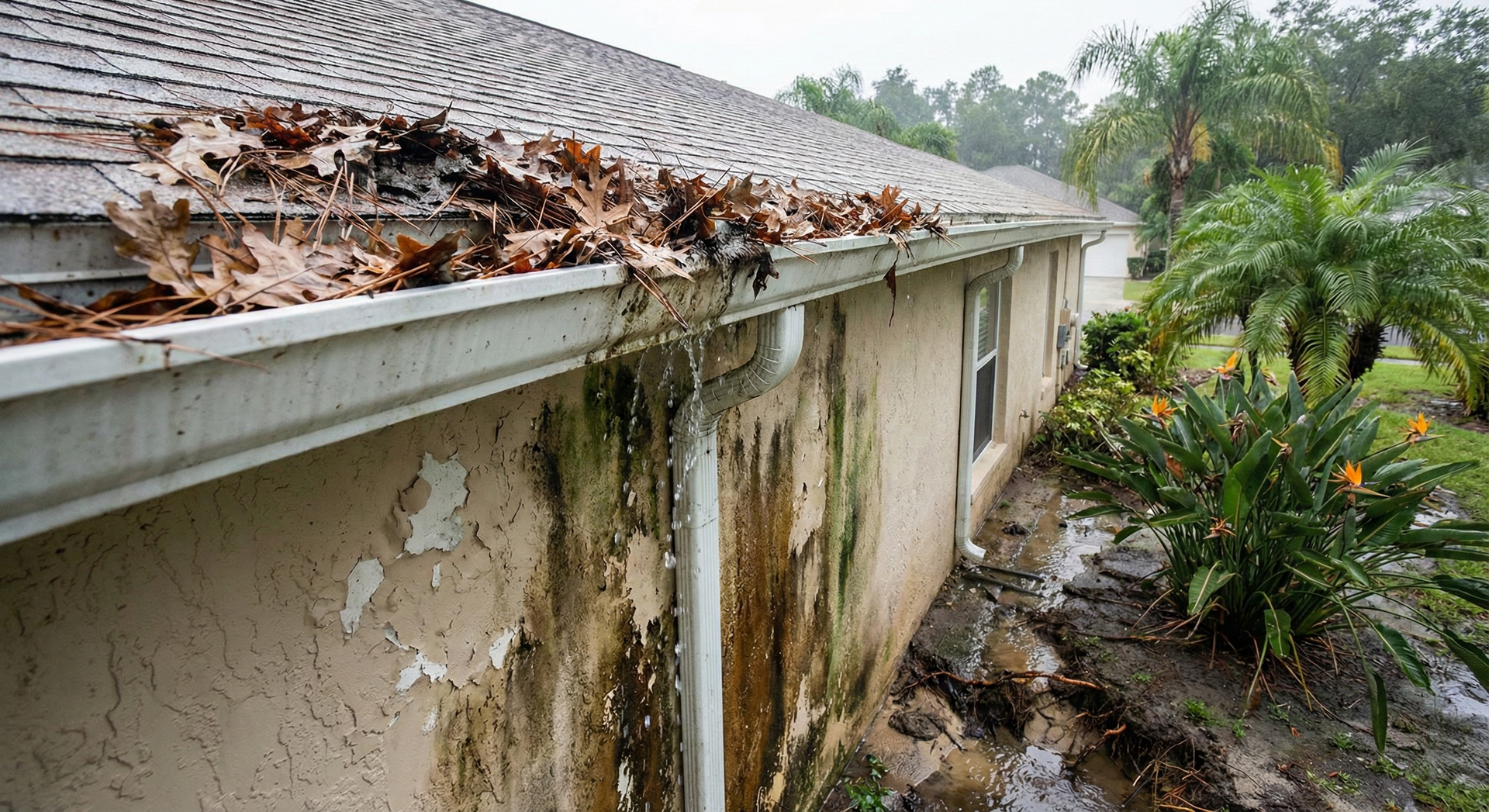
Gutters are one of the most overlooked - and most important - protective systems on any property.
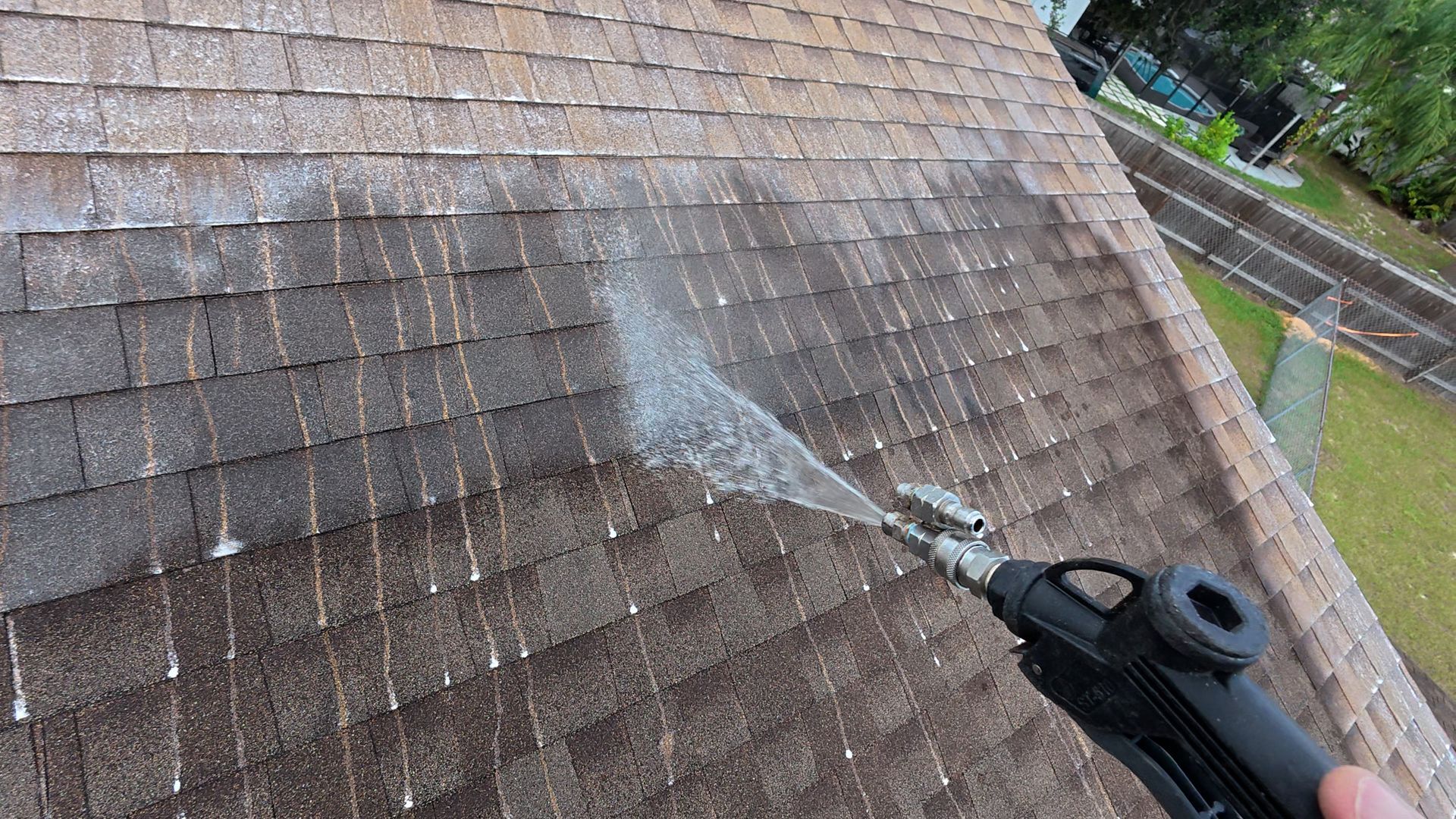
Pricing for roof soft washing varies based on several conditions specific to the property. The size of the roof is the most obvious factor, but the shape and complexity of the roofline also play a role.
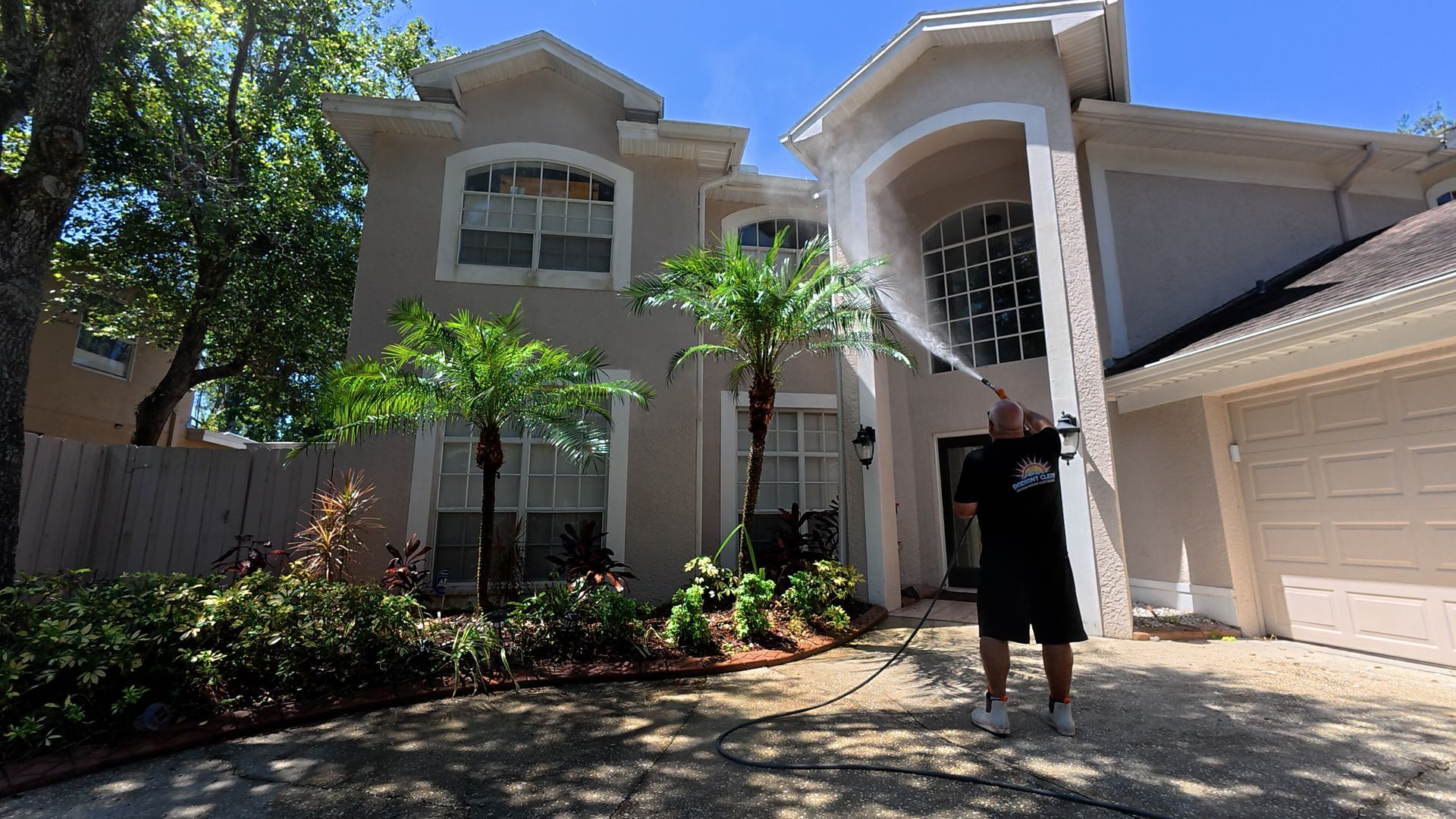
Soft washing prices vary depending on the size of the home, the level of buildup, and how accessible the exterior surfaces are.
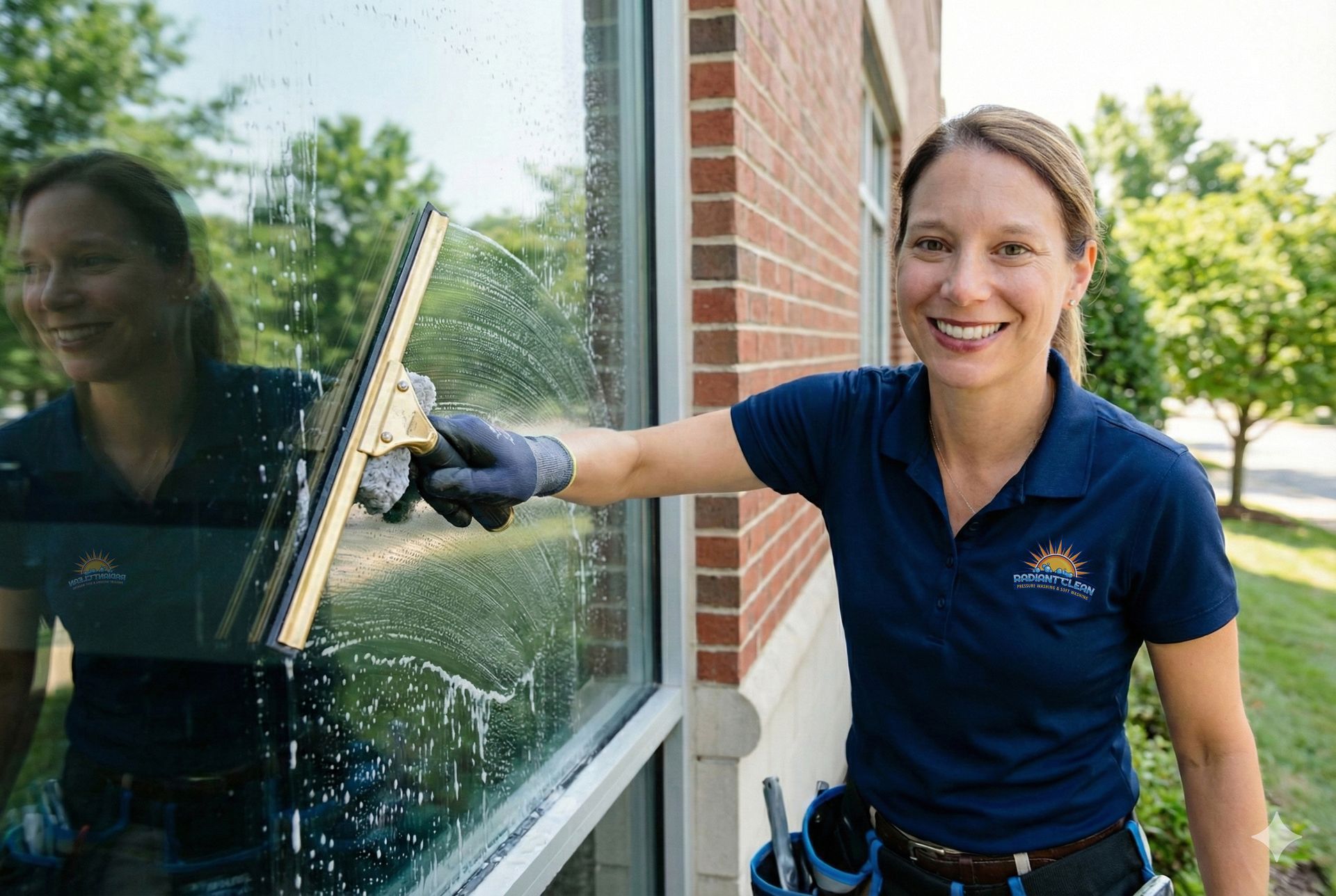
Window cleaning prices vary based on the number of windows, their size, accessibility, condition, and whether homeowners choose exterior-only or full interior-and-exterior cleaning.
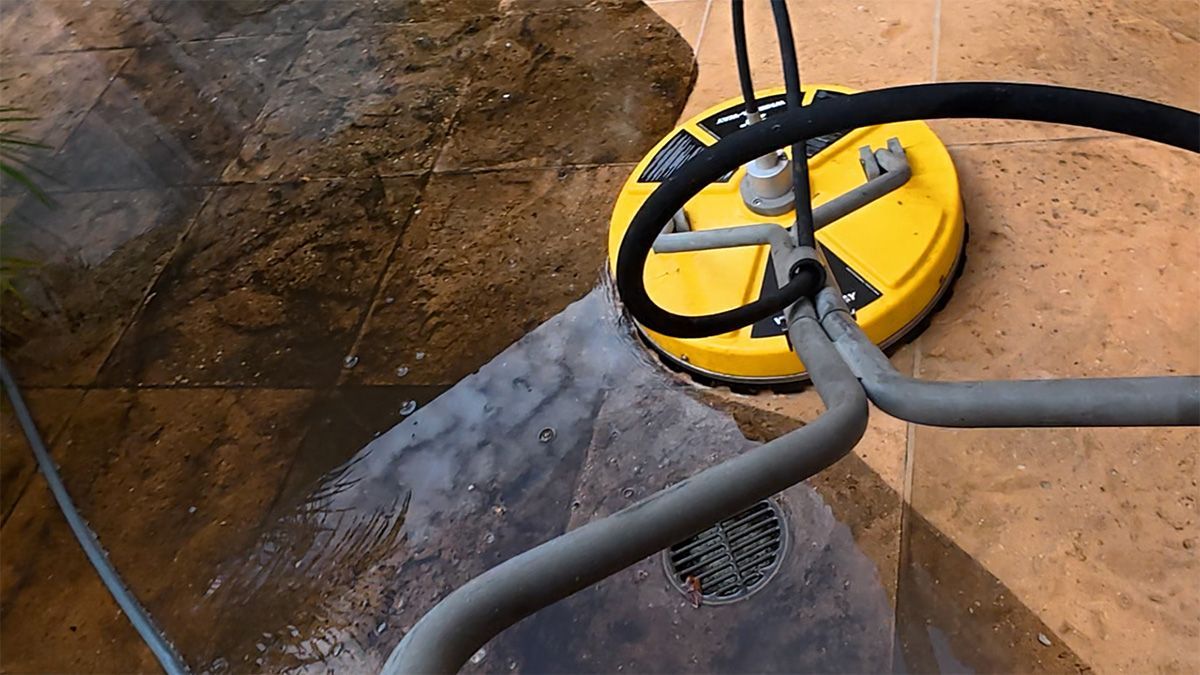
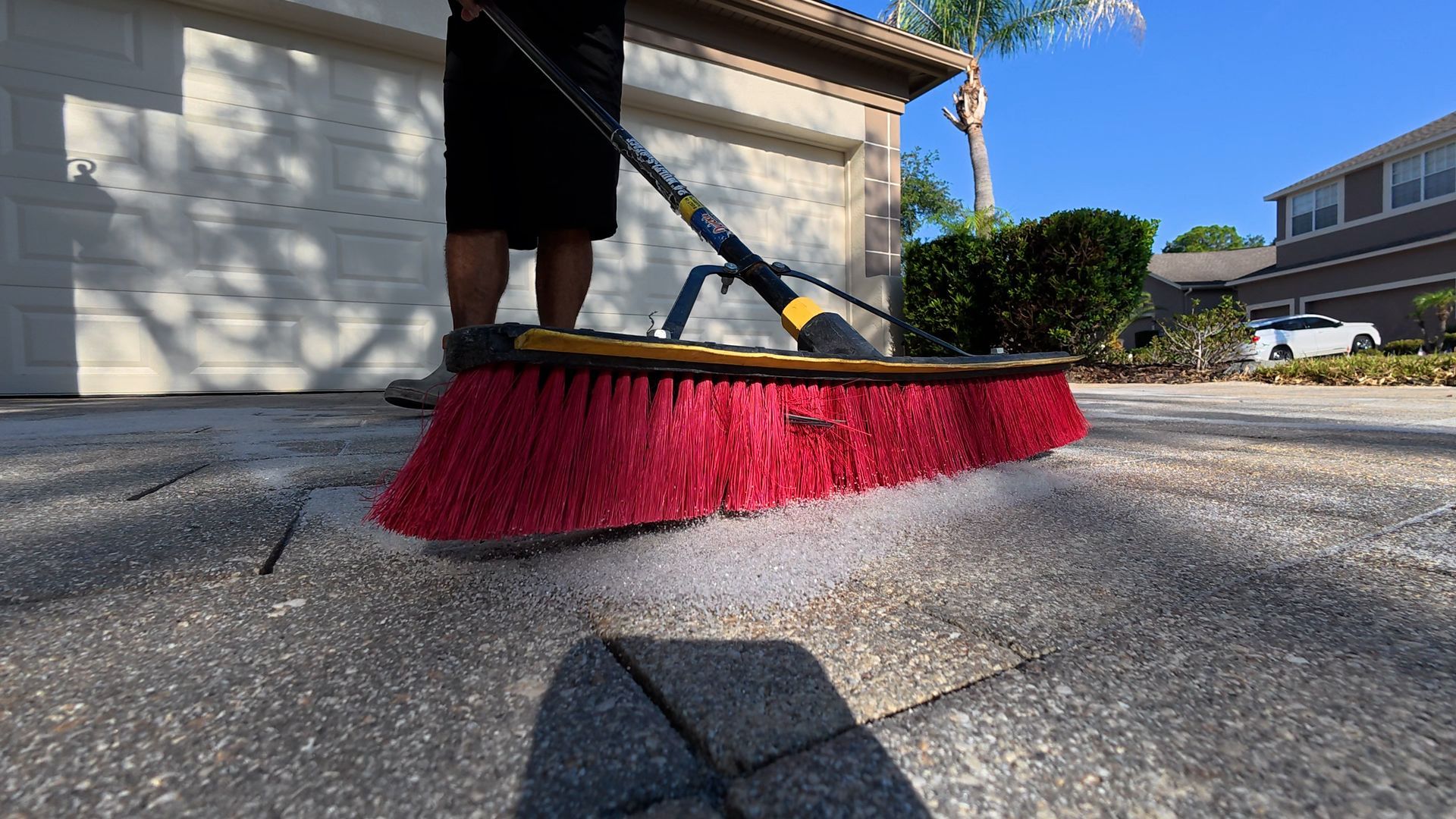
If you’ve been looking into exterior cleaning services for your home in the Tampa Bay region, one of the most common questions is: How much does pressure washing cost?